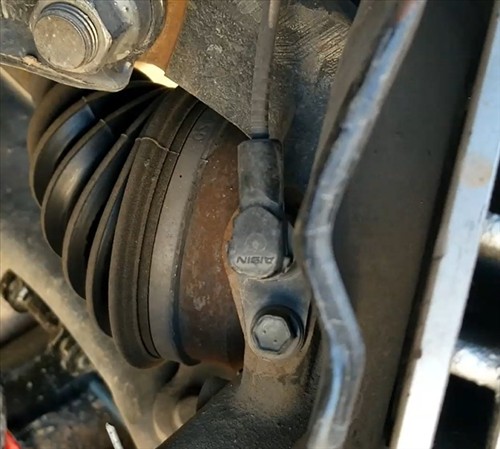
A wheel speed sensor code can often be traced to a bad sensor. But sometimes the sensor is fine and the problem is in the wiring back to the ABS module.
Testing with a multimeter is usually the best option. But you can test a wheel speed sensor with just a jumper wire if you don’t have a multimeter handy.
This method works across most vehicles with ABS systems. Ford, Dodge, Chevy, Toyota, Nissan, Kia, and more.
What the Jumper Wire Method Does
The jumper wire method lets you bypass a suspected bad wheel speed sensor by connecting a known good sensor to the same circuit. If the code clears and stays gone, the sensor itself is likely fine and the problem is in the wiring harness between the sensor and the ABS module.
For example, if you have a code for the front right wheel speed sensor, you can jumper the front left sensor over to the front right circuit. Clear the code and see if it comes back.
When To Use This Method
This method works best when you have a code pointing to one specific wheel speed sensor. For example, a C1405 code for an open or short in the front right wheel speed sensor circuit.
You can also swap the actual sensors from side to side if the connectors allow it. But that can be more work than just running jumper wires.
Keep in mind this method tells you if the sensor is good or bad. It doesn’t tell you exactly where a wiring problem is located.
How To Test a Wheel Speed Sensor with a Jumper Wire
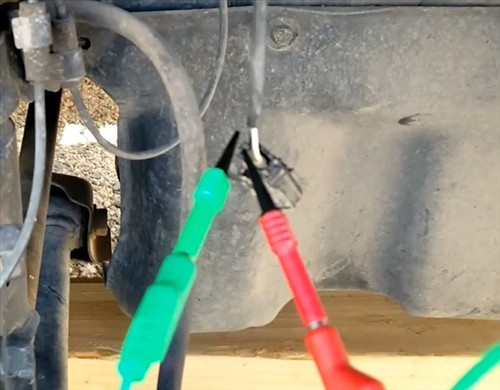
Start by locating the wheel speed sensor that threw the code. The sensor is usually mounted near the wheel hub or brake assembly.
Find the connector for that sensor. One side goes to the sensor. The other side goes back to the ABS module.
Back Probe the Wires Going to the ABS Module
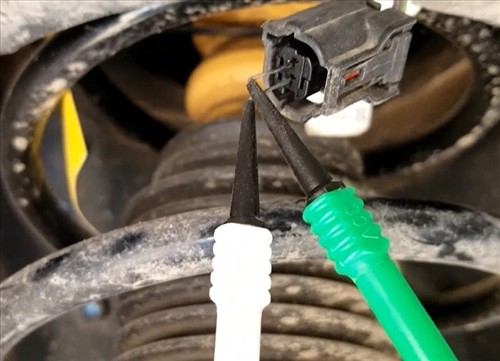
Back probe into the wires on the harness side, the side going back to the ABS module. Don’t disconnect the sensor yet.
Run jumper wires from those back-probed connections over to the other wheel speed sensor on the same axle. For example, if you’re testing the front right sensor, run jumpers to the front left sensor.
Make sure you match the wire colors correctly. Wheel speed sensors usually have two wires and polarity matters. If you cross the wires, you’ll get other codes or the test won’t work.
Keep the Jumper Wires Separated
Make sure the jumper wires don’t touch each other. Wheel speed sensors run on either 5 volts or 12 volts depending on the vehicle. If the wires short together, you’ll set more codes.
Clear the Code and Test Drive
Once the jumpers are connected, clear the code with a scan tool. Then test drive the vehicle or let it idle for a few minutes.
If the code doesn’t come back, the sensor itself is likely good. The problem is in the wiring harness between the sensor connector and the ABS module.
If the code comes back right away, the sensor is likely bad. Replace it and retest.
What If the Code Clears
If the code clears and doesn’t come back, you’ve confirmed the sensor is good. Now you need to find the wiring problem.
The most common issues are broken wires, corroded connectors, or chafed insulation somewhere in the harness. Pull up a wiring schematic for your vehicle and trace the circuit back to the ABS module.
Check for damaged wiring near the wheel well where the harness can get exposed to road debris and moisture.
What If You Can’t Match the Wire Colors
Some vehicles use different colored wires for each wheel speed sensor. If the colors don’t match, you can still use this method but you’ll need to reference a wiring diagram to make sure you’re connecting the right signal wires and ground wires.
You can also try swapping the physical sensors from side to side if the connectors are the same. Then clear the code and see if it follows the sensor or stays with the original circuit.
Why Use a Multimeter Instead
A multimeter is a better diagnostic tool for wheel speed sensors. You can measure resistance, check for proper voltage, and test the sensor’s AC signal output.
The jumper wire method is a quick backyard mechanic trick when you don’t have test equipment. It tells you if the sensor is good or bad but doesn’t give you detailed information about the circuit.
Summary
Testing a wheel speed sensor with a jumper wire is a simple method that doesn’t require a multimeter. You’re essentially borrowing a known good sensor to test the circuit.
Back probe the wires going to the ABS module on the suspected bad sensor. Run jumper wires to the same axle’s opposite sensor. Match the wire colors to keep polarity correct.
Clear the code and see if it comes back. If it stays clear, the sensor is good and the problem is in the wiring harness.
If the code comes back, the sensor itself is likely bad. Replace it and retest.
Keep in mind this method works best for single wheel speed sensor codes. It won’t pinpoint exactly where a wiring fault is located but it will tell you if the sensor itself is the problem.
A multimeter is still the better option if you have one. But the jumper wire trick works in a pinch.
Have you had an issue with a wheel speed sensor? Let us know your fix or problem below.